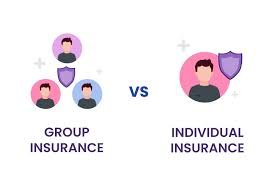
Individual health insurance is a type of medical coverage purchased by a single person rather than provided by an employer or government program. It is ideal for self-employed individuals, freelancers, students, early retirees, and anyone who does not receive health benefits through a workplace.
In this SEO-optimized guide, you’ll learn what individual health insurance is, how it works, types of plans available, average costs, benefits, and how to choose the best policy in 2026.
What Is Individual Health Insurance?
Individual health insurance (also called personal health insurance) is a policy you buy directly from an insurance company or through a government marketplace. Unlike group health insurance, the coverage is tailored specifically to you and your medical needs.
These plans typically cover:
- Doctor visits
- Hospital stays
- Emergency services
- Prescription medications
- Preventive care
- Maternity and newborn care
- Mental health services
Coverage and benefits vary based on the insurer and plan level.
Who Needs Individual Health Insurance?
Individual medical insurance is best suited for:
- Self-employed professionals
- Freelancers and gig workers
- Small business owners
- Early retirees
- Students not covered by parents’ plans
- Unemployed individuals
- People between jobs
If you don’t have employer-sponsored health insurance, an individual plan ensures you remain protected against high medical costs.
Types of Individual Health Insurance Plans
There are several types of individual health plans available:
1. HMO (Health Maintenance Organization)
- Lower premiums
- Requires choosing a primary care physician
- Referrals needed for specialists
- Limited provider network
2. PPO (Preferred Provider Organization)
- Higher flexibility
- No referral required
- Larger provider network
- Higher premiums
3. EPO (Exclusive Provider Organization)
- Moderate cost
- No out-of-network coverage except emergencies
4. High Deductible Health Plan (HDHP)
- Lower monthly premium
- Higher deductible
- Often paired with Health Savings Account (HSA)
What Does Individual Health Insurance Cover?
Most comprehensive individual plans include:
Essential Medical Benefits
- Inpatient and outpatient care
- Emergency room visits
- Preventive services (vaccines, screenings)
- Laboratory services
- Pediatric care
In some countries like the United States, marketplace plans must comply with regulations under the Affordable Care Act, ensuring coverage of essential health benefits.
How Much Does Individual Health Insurance Cost?
The cost of individual health insurance depends on:
- Age
- Location
- Coverage level
- Deductible amount
- Tobacco use
- Income (for subsidy eligibility)
Average Monthly Premiums (2026 Estimates)
- Age 25: $250–$400
- Age 40: $350–$600
- Age 60: $700–$1,200
Premiums may be reduced through government subsidies depending on income and country regulations.
Top Individual Health Insurance Companies
Some of the leading health insurers offering individual plans include:
- UnitedHealthcare
- Blue Cross Blue Shield
- Cigna
- Aetna
- Kaiser Permanente
Each provider offers different plan tiers, networks, and pricing structures.
Benefits of Individual Health Insurance
✅ Financial Protection
Prevents large medical bills from draining savings.
✅ Customizable Coverage
Choose deductible, network, and coverage level.
✅ Preventive Care Included
Routine check-ups and screenings are often covered.
✅ Peace of Mind
Access to healthcare whenever needed.
Individual vs Group Health Insurance
| Feature | Individual Plan | Group Plan |
|---|---|---|
| Purchased By | Individual | Employer |
| Customization | High | Limited |
| Premium Cost | Higher | Often subsidized |
| Portability | Yes | Ends with job |
Individual plans provide independence and portability but may cost more than employer-sponsored coverage.
How to Choose the Best Individual Health Insurance Plan
Follow these steps:
- Assess your healthcare needs
- Compare plan types (HMO, PPO, HDHP)
- Review provider networks
- Calculate total cost (premium + deductible + copays)
- Check prescription drug coverage
- Compare multiple insurers
If you are self-employed or running an online business, an individual health insurance plan can protect both your health and your financial stability.
Pros and Cons
Pros
- Flexible and customizable
- Portable coverage
- Wide range of plan options
Cons
- Higher premiums compared to employer plans
- Complex policy terms
- Possible high deductibles
Is Individual Health Insurance Worth It?
Yes. Medical costs are rising globally, and without insurance, a single hospitalization can cost thousands of dollars. Individual health insurance ensures continuous access to healthcare services and protects you from financial hardship.
For freelancers, entrepreneurs, and independent workers, having an individual health insurance policy is essential for long-term security.
Final Thoughts
Individual health insurance provides personalized medical coverage for those without employer-sponsored plans. By comparing providers, understanding plan types, and evaluating costs carefully, you can choose the right coverage for your needs in 2026.
Before enrolling, request quotes from multiple insurers, review benefits in detail, and ensure the plan aligns with your health and financial goals.